
HPE at Guardian
HPE ProLiant servers and HPE Alletra storage run many of our clients’ on-site workloads. We specify the right hardware, install it, monitor it, keep its firmware current and plan its replacement.



HPE ProLiant servers and HPE Alletra storage run many of our clients’ on-site workloads. We specify the right hardware, install it, monitor it, keep its firmware current and plan its replacement.
HPE’s 1U, two-socket rack server: a lot of computing power in a small amount of rack space. We use it for virtualisation hosts, remote desktop servers and application servers where the rack is already crowded.
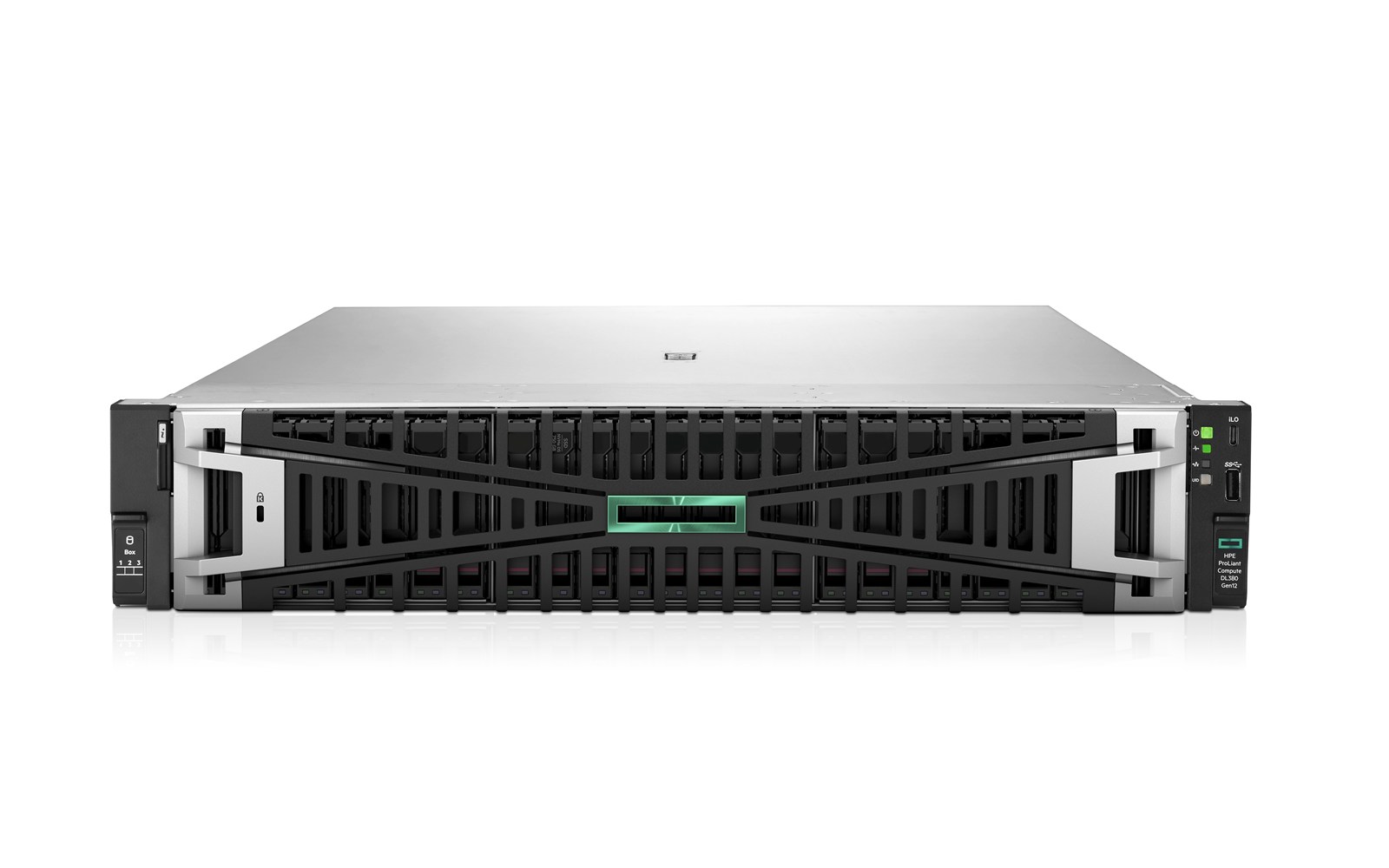
The 2U all-rounder. It has room for more drives and graphics cards, so it suits file and database servers, Hyper-V and VMware hosts, and on-site AI workloads.
Every ProLiant we install is set up for remote management. HPE iLO 7 checks the server’s firmware against HPE’s Silicon Root of Trust each time it starts, so tampered firmware is caught before the operating system loads. HPE Compute Ops Management gives us one cloud view of health, firmware and warranty across all of your servers.
We watch for failing drives, power supplies and memory, keep firmware current, and plan replacements before warranty runs out, not after a failure.
HPE’s current shared storage platform, the successor to 3PAR and Primera. It holds block storage for virtual machines and databases, and file shares, on one system. Capacity and performance grow separately, so you buy what you need now and add drives or controllers later without a forklift upgrade.
HPE’s new Gen13 range, built on AMD EPYC processors for AI and compute-heavy work, launched in October 2026. If you’re planning a refresh, we’ll tell you honestly whether Gen12 or Gen13 fits better.